Services
Leading Women’s Health with Vision and Compassion
Dr Jay Moodley is a Specialist Obstetrician and Gynaecologist who combines advanced medical care with empathy and understanding. Her mission is to help every woman live a healthy, confident life – through every stage of womanhood.
High-Risk Pregnancies
A pregnancy is considered ‘high risk’ when there’s a greater chance of complications for the mother or baby. This may include conditions like high blood pressure, diabetes, thyroid disorders, recurrent miscarriages or carrying twins or triplets.
Dr Moodley provides specialised care for high-risk pregnancies, ensuring close monitoring, early detection of problems, and the safest possible delivery. Her focus is not just on medical precision, but also on guiding mothers with calm reassurance and compassionate support.
Antenatal Care
Antenatal care refers to the medical check-ups and emotional support women receive during pregnancy. These visits help ensure that both mother and baby remain healthy.
Dr Moodley offers personalised antenatal plans with advanced screening, nutrition advice, birth preparation, and ongoing guidance. She believes pregnancy should be a time of confidence and joy, not anxiety – and works to make every step of the process safe and empowering. Every pregnancy is a beautiful journey and Dr Moodley encourages partners and children to attend with the mother to share in its beauty.
Gynaecological Oncology Management and Surgery
Gynaecological Oncology focuses on cancers that affect the female reproductive organs – such as the cervix, ovaries, uterus, and vulva.
Dr Moodley offers comprehensive cancer care, from early detection and diagnosis to advanced surgical treatment. Her approach combines cutting-edge medicine with deep compassion, helping women make informed choices and receive holistic support throughout their cancer journey.
Menstrual Disorders
Menstrual disorders include irregular periods, heavy bleeding, missed cycles, or severe pain during menstruation. These symptoms can affect daily life and may indicate underlying conditions like hormonal imbalance, fibroids, or endometriosis.
Dr Moodley helps women uncover the cause of these issues and provides tailored treatments – whether through medication, minimally invasive surgery, or lifestyle support – to restore comfort and balance.
Fibroid Management
Fibroids are non-cancerous growths that develop in or around the uterus. They can cause heavy periods, bloating, pain, or fertility problems.
Dr Moodley offers modern, individualised treatments for fibroids – from medication and hormone therapy to minimally invasive surgery and laparoscopic removal. Her practice is also the only practice in Zululand offering Uterine Fibroid Embolisation – a minimally invasive procedure where no surgery is needed. Her goal is to relieve symptoms, preserve fertility, and improve quality of life.
Polycystic Ovary Syndrome (PCOS)
PCOS is a hormonal condition where the ovaries produce higher levels of certain hormones, often leading to irregular periods, acne, weight changes, and difficulty falling pregnant.
Dr Moodley’s approach to PCOS is holistic. She helps women manage symptoms through a combination of lifestyle changes, medication, and hormone balancing – empowering them to take control of their reproductive and overall health.
Endometriosis
Endometriosis occurs when tissue similar to the lining of the uterus grows outside of it – often on the ovaries, fallopian tubes, or pelvic organs. It can cause severe pain, heavy periods, and fertility challenges.
Dr Moodley is passionate about raising awareness and improving diagnosis for endometriosis, a condition often misunderstood or overlooked. She provides advanced medical and surgical treatments to reduce pain, protect fertility, and help women regain quality of life.
Infertility
Infertility affects many couples and can be emotionally challenging. It’s defined as difficulty conceiving after a year of trying. Causes may include hormonal imbalances, blocked fallopian tubes, endometriosis, or male factors.
Dr Moodley performs detailed fertility assessments and offers evidence-based treatment options – from ovulation tracking to surgical interventions. She partners with fertility clinics when needed, offering expert guidance and heartfelt support throughout the process.
Adolescent Gynaecology
Adolescent Gynaecology focuses on the unique health needs of teenagers, such as the onset of periods, hormonal changes, and emotional wellbeing.
Dr Moodley creates a safe, supportive space for young women to discuss their bodies and concerns without fear or embarrassment. She provides education on menstrual health, acne, PCOS, and reproductive wellness – helping young women build confidence and body awareness early in life.
Contraception Management
Contraception isn’t one-size-fits-all. It includes pills, intrauterine devices (IUDs), implants, injections, and other methods designed to prevent pregnancy safely and effectively.
Dr Moodley takes time to understand each woman’s lifestyle, health, and goals before recommending the most suitable option. Her aim is to provide accurate information and empower women to make confident, informed choices about their reproductive health.
Laparoscopic Surgery (Keyhole Surgery)
Laparoscopic, or ‘keyhole’ surgery is a modern surgical technique that uses small incisions and a camera to perform procedures inside the abdomen or pelvis. It’s used to treat fibroids, ovarian cysts, endometriosis, and other conditions with minimal scarring and faster recovery.
Dr Moodley is an expert in laparoscopic techniques, offering her patients precise, safe, and minimally invasive procedures that result in shorter hospital stays and quicker returns to daily life.
Pelvic Pain Syndromes
Pelvic pain can be caused by a range of issues, including endometriosis, infections, nerve pain, or bladder conditions. For many women, chronic pelvic pain affects not only the body but also mental and emotional wellbeing.
Dr Moodley uses a multidisciplinary approach – combining detailed diagnosis, medical management, physiotherapy referrals, and emotional support – to help women understand and overcome long-term pelvic pain.
Got a question?
Find quick answers to common questions about appointments, services, and what to expect.
A Visionary Approach to Women’s Health
Dr Jay Moodley’s philosophy is rooted in empowerment, empathy, and excellence. She believes every woman deserves access to compassionate, science-based healthcare – and a doctor who listens.
Her vision extends beyond treatment; it’s about changing how women experience healthcare: with knowledge, confidence, and dignity.
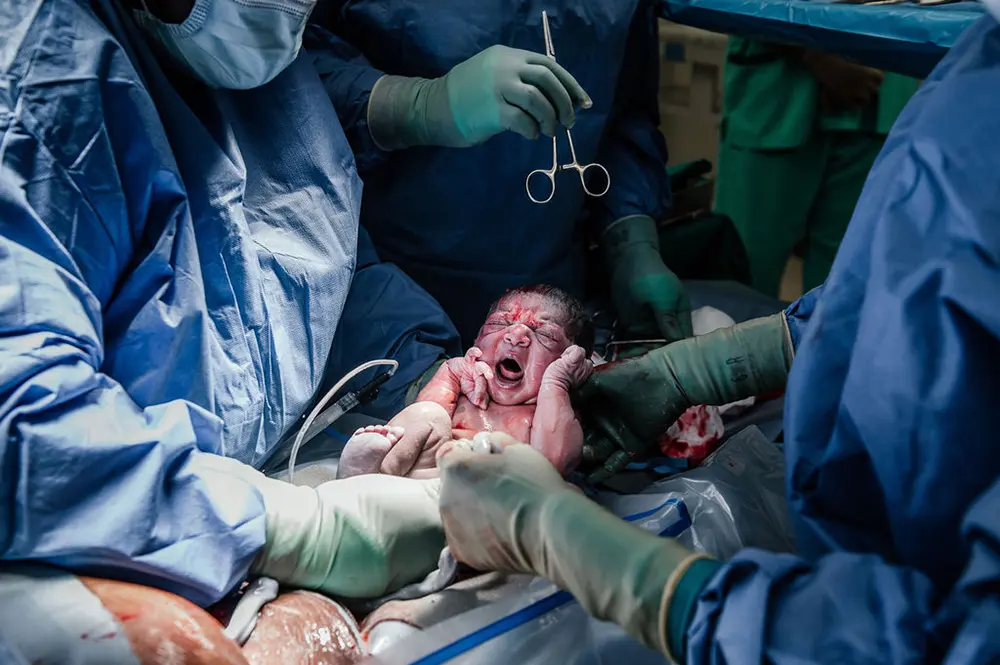
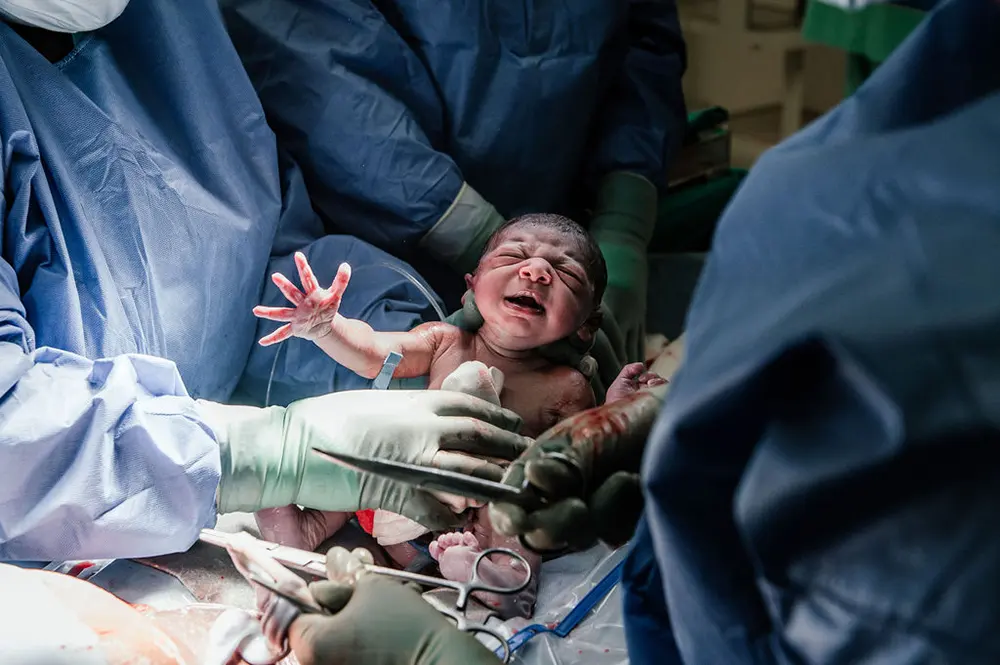
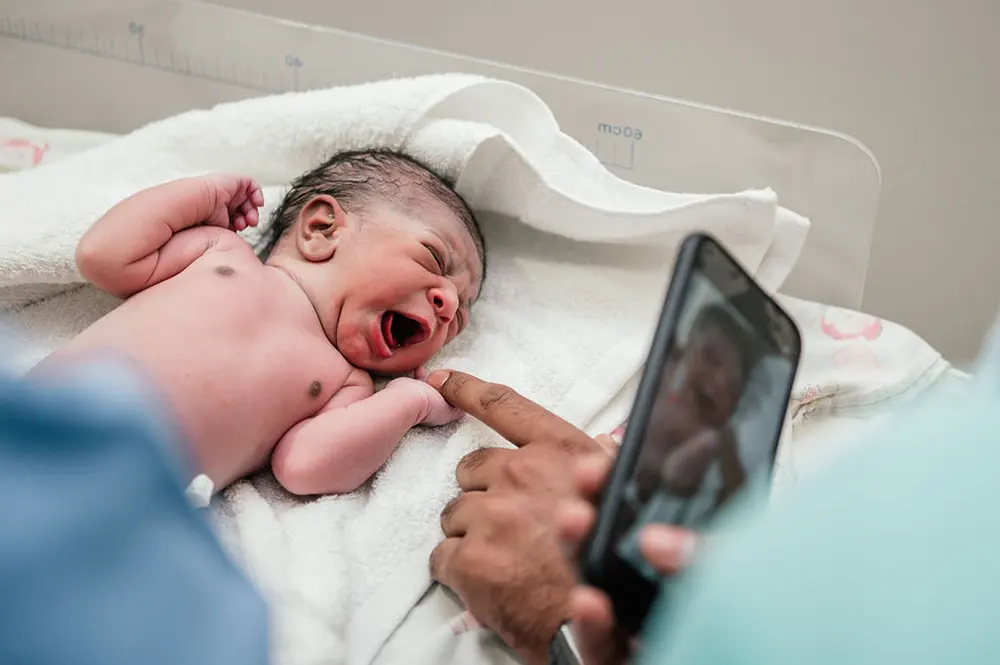
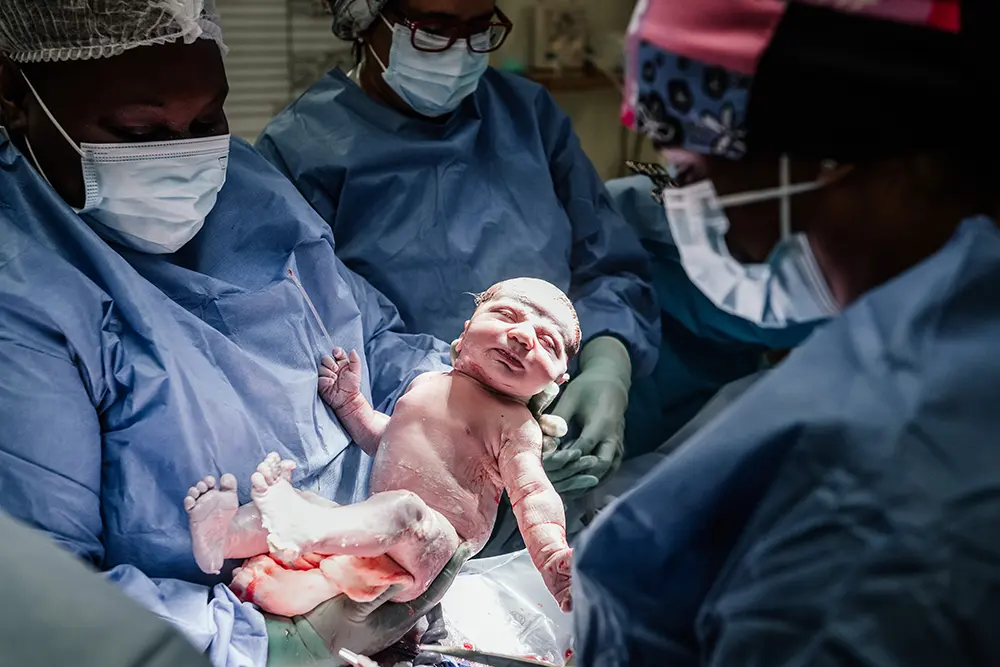
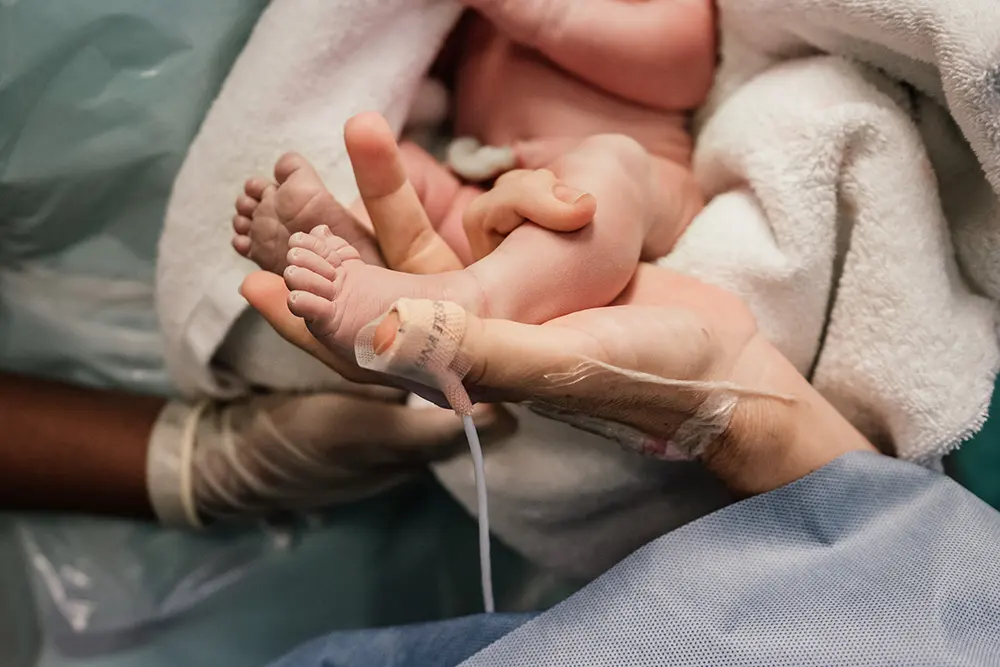
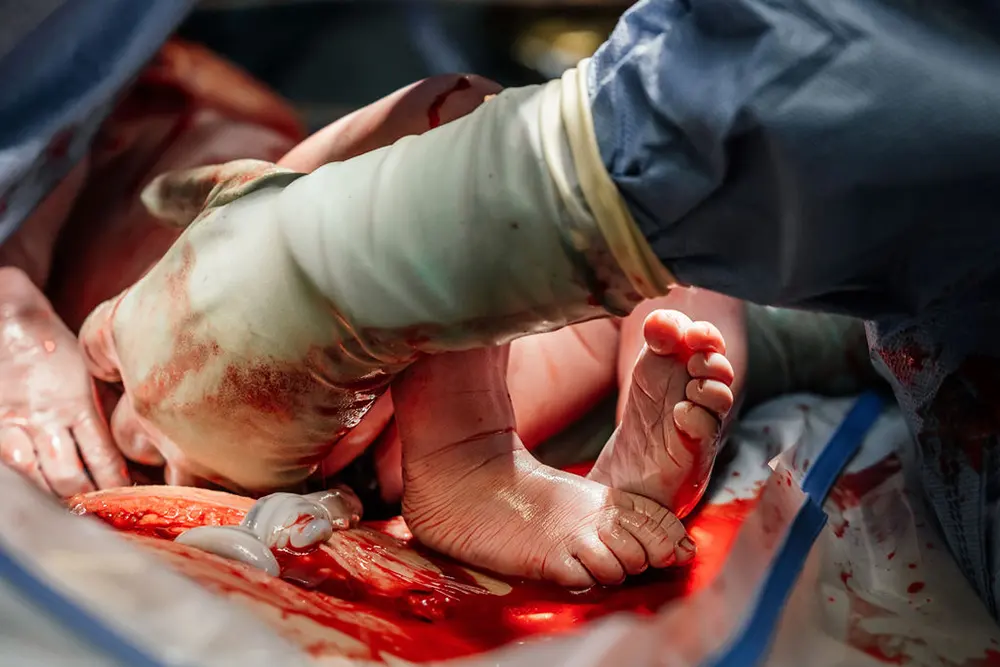
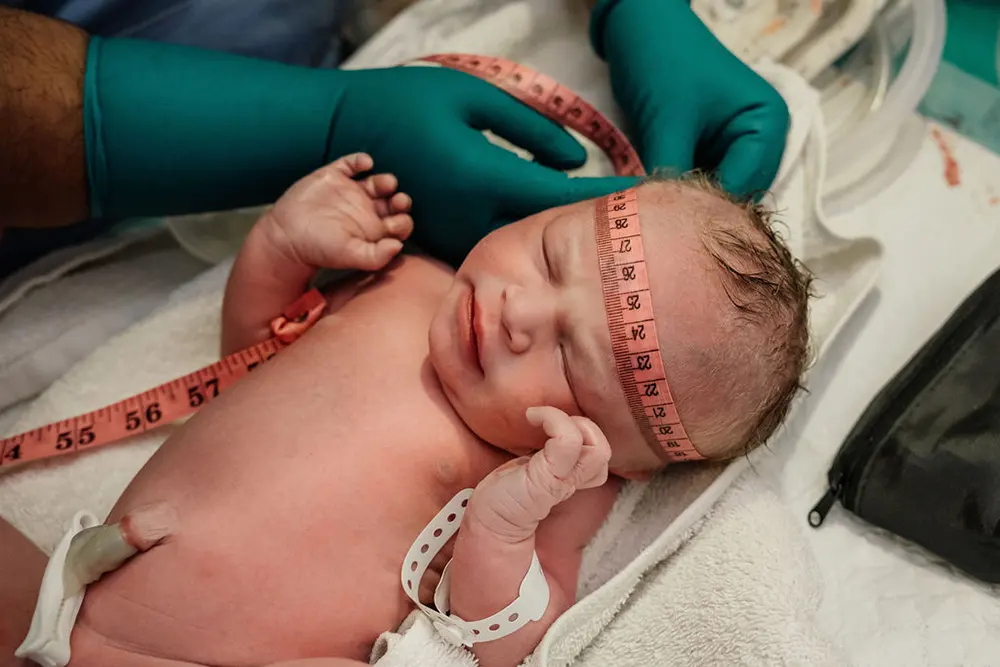
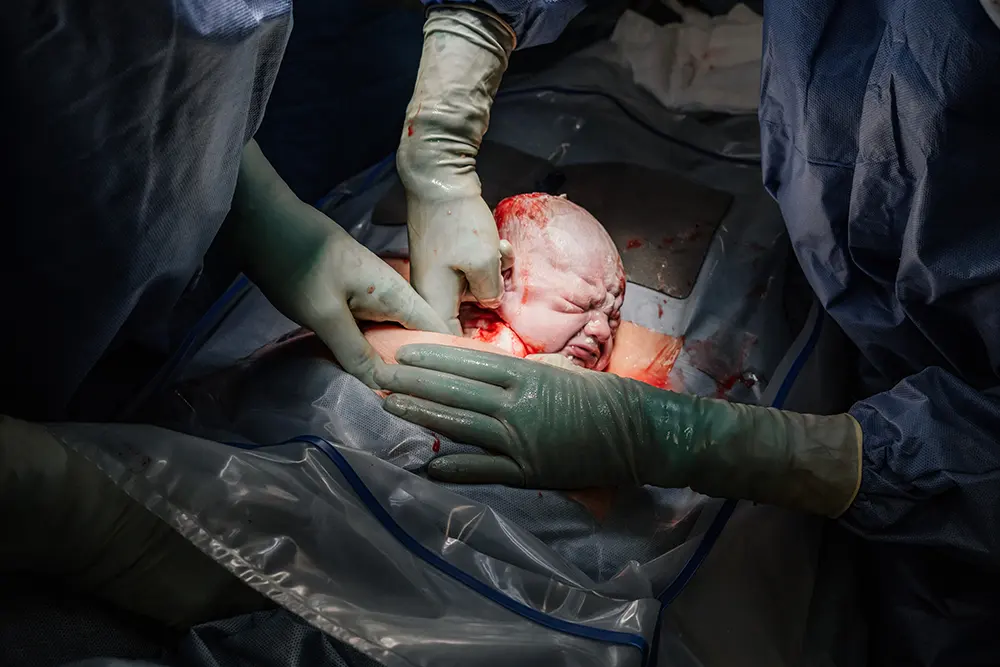
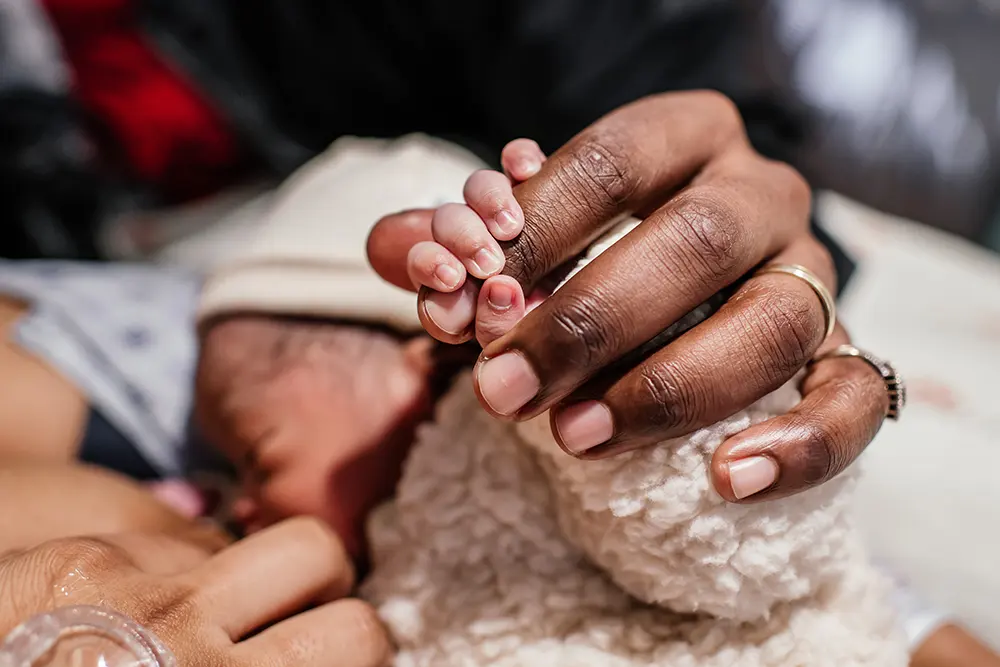
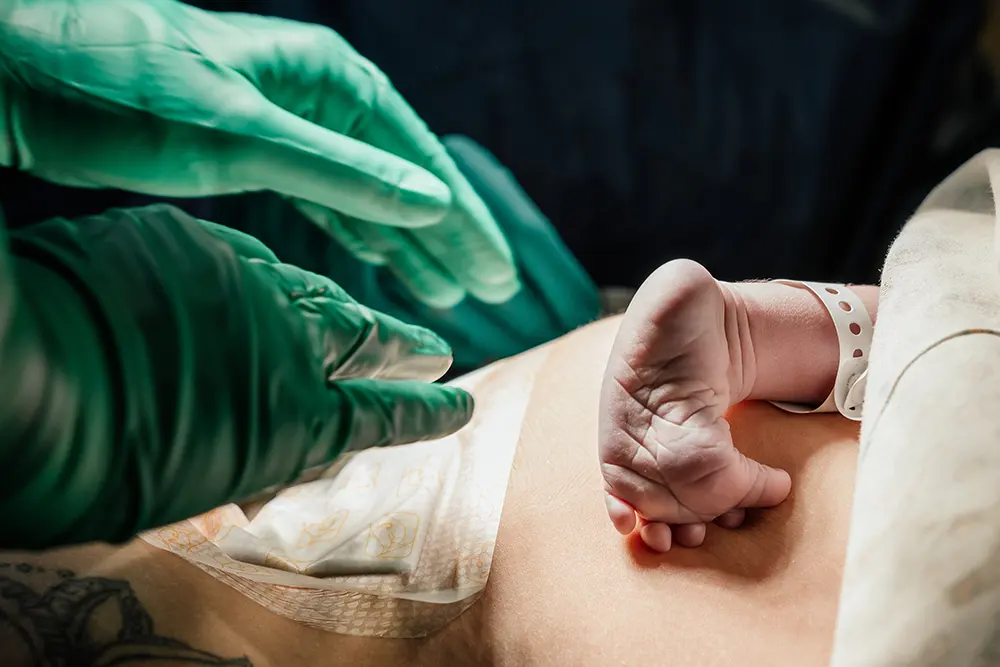
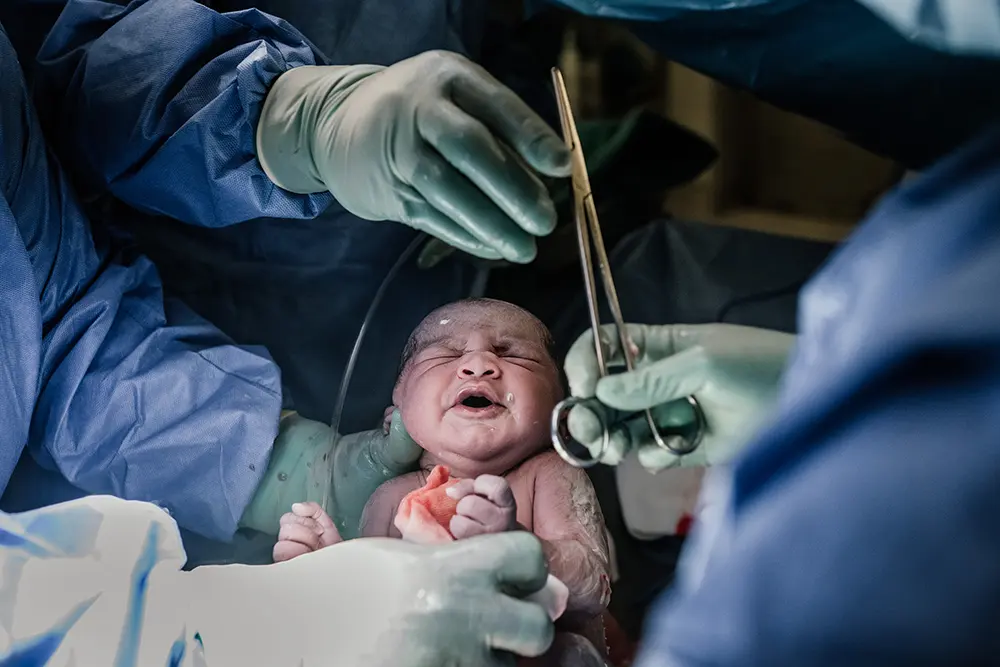
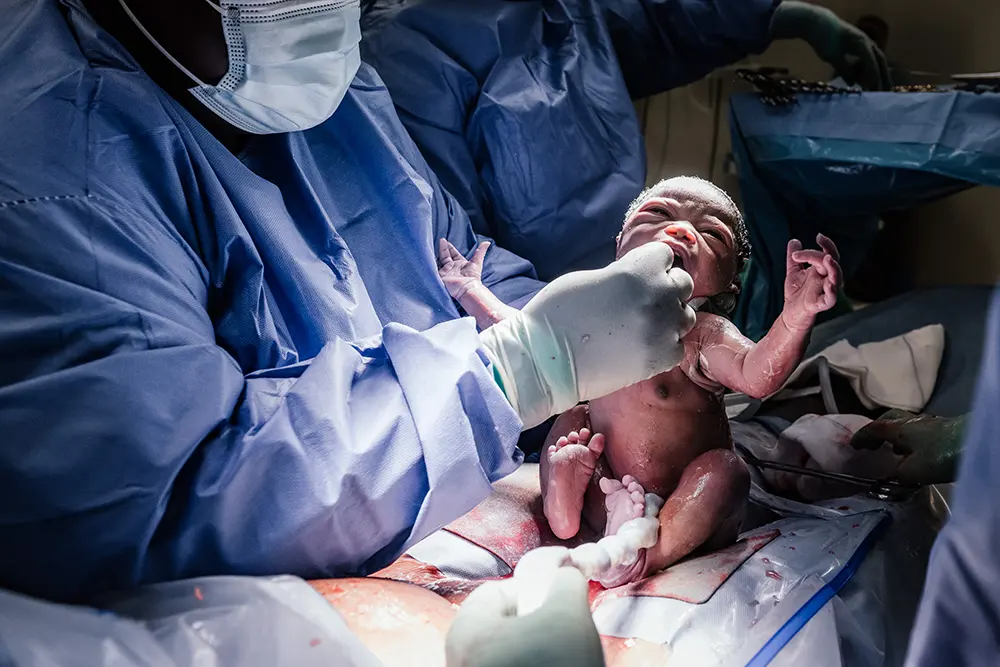
Birth photography by Elysian Photography is offered exclusively at Dr Jay’s practice – allowing parents to capture their baby’s first breath and touch.
Birth Photography
Birth photography by Elysian Photography is offered exclusively through Dr Jay’s practice, providing an unparalleled opportunity for parents to preserve one of the most meaningful moments of their lives. This bespoke service is designed to beautifully document your baby’s arrival – capturing the very first breaths, tender first touches, and the raw, emotional beginnings of your family’s story.
With a focus on authenticity and heartfelt storytelling, the photography experience ensures that every fleeting detail is thoughtfully recorded in timeless images. This exclusive collaboration allows parents to celebrate and remember the miracle of birth with stunning, professional photographs that will be cherished for generations.
FAQ's
When should I see a gynaecologist for the first time?
You should consider your first visit between the ages of 13-15, or earlier if you experience menstrual problems, pain, or have concerns about your reproductive health. Many patients also book their first visit when they become sexually active or simply want guidance and reassurance.
How often do I need a Pap Smear or cervical screening?
In South Africa, cervical screening usually starts from age 25 and is recommended every three years if results are normal. Your doctor may advise more frequent screening depending on your medical history or test results.
What happens during a routine gynecological examination?
A routine exam may include a discussion about your health, periods, contraception, and symptoms, as well as a physical examination if needed. Everything is explained beforehand, your comfort is prioritised, and you are always welcome to ask questions or decline any part of the exam.
Are irregular or painful periods normal?
Some irregularity or discomfort can be normal, especially in younger patients. However, very heavy bleeding, severe pain, missed periods, or sudden changes should be assessed to rule out conditions such as hormonal imbalances or endometriosis.
What birth control options are available, and how do I choose the right one?
There are many safe and effective options, including pills, injections, implants, IUDs, and non-hormonal methods. Your doctor will help you choose based on your lifestyle, medical history, and future pregnancy plans.
When should I see a doctor about fertility or trying to conceive?
If you’ve been trying to fall pregnant for 12 months (or 6 months if you’re over 35) without success, it’s a good idea to book a consultation. Preconception visits are also helpful before trying to conceive, to optimise your health.
When should I book my first pregnancy appointment?
You should book your first antenatal appointment as soon as your pregnancy is confirmed, ideally before 10 weeks. Early care helps ensure both you and your baby get the best possible start.
What tests and scans are done during pregnancy?
Routine pregnancy care includes blood tests, urine tests, and ultrasound scans at different stages. These help monitor your health and your baby’s development. Your doctor will explain each test and its purpose.
What symptoms during pregnancy should prompt an urgent call?
Severe abdominal pain, heavy bleeding, severe headaches, sudden swelling, reduced baby movements, or any symptoms that worry you should be reported immediately. It’s always better to call and be reassured.
Is my visit confidential, and do I need a referral?
Yes. All consultations are strictly confidential. In South Africa, you do not usually need a referral to see a gynecologist or obstetrician unless required by your medical aid.